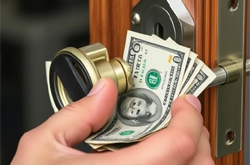
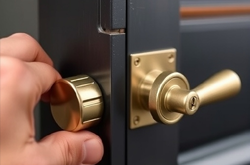
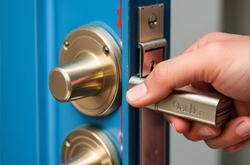
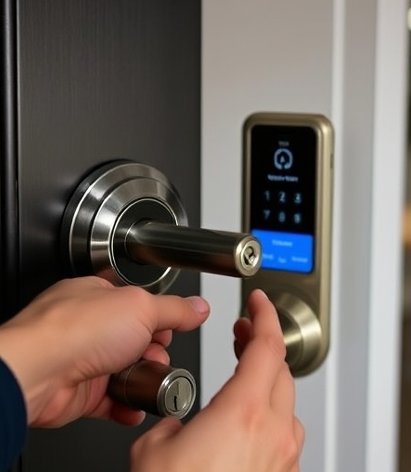
Rekeying vs. Replacing Your Locks: Which Option is Right for You?

Your locks are the first line of defense in protecting your home or business. But over time, you may encounter situations that prompt a change. Maybe you’ve lost a key, moved into a new home, or experienced a security breach. When it comes to addressing these concerns, two common choices emerge: rekeying your existing locks or replacing them entirely. Understanding the differences, benefits, and costs of each option can help you decide which path best aligns with your needs.

What Does Rekeying Involve?

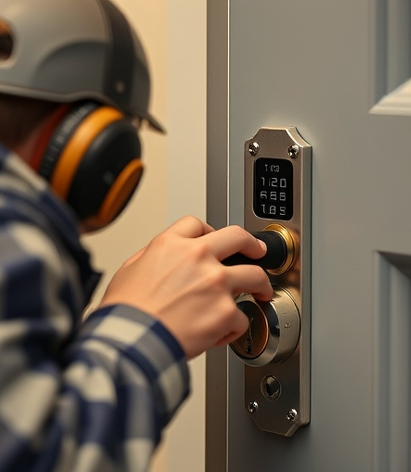
Definition: Rekeying a lock means adjusting the internal components—specifically the pins and tumblers—so the lock can be operated by a new key. It does not replace the lock itself; instead, it alters the locking mechanism inside the existing hardware.

Process: A locksmith will remove the lock cylinder, rearrange the pins, and issue you a new key that matches the updated configuration. The old keys will no longer work, effectively giving you control over who has access without changing the hardware on your door.

Pros of Rekeying:

  • Pros of RekeyingMore Affordable: Rekeying typically costs less than installing all new locks since you’re not paying for new hardware.
  • Maintains Current Hardware: If you like your existing lock fixtures or recently invested in quality locks, rekeying keeps that investment intact while updating security.
  • Quick and Convenient: Rekeying is usually a faster process than full replacement and can often be done on-site in a single visit.

When to Consider Rekeying:

  • You’ve Moved into a New Home: After taking ownership of a new home, rekeying ensures that former occupants, contractors, or real estate agents can no longer gain entry.
  • Lost or Stolen Keys: If you’ve lost your keys or suspect they’ve been stolen, rekeying is a quick and cost-effective way to restore security.
  • Consolidating Keys: If you have multiple locks that require different keys, a locksmith may be able to rekey them to work with a single master key—simplifying your life.

What Does Rekeying Involve?

What Does Rekeying InvolveDefinition: Replacing locks means removing your existing lock hardware—knobs, handles, deadbolts—and installing entirely new units.

Process: A locksmith or qualified installer removes the old lock and fits a new one in its place. This often involves ensuring the door frame, strike plate, and bolt align properly. Upgrading to high-security or smart locks is also simpler during a full replacement.

When to Consider Replacing Locks:

  • Old or Damaged Hardware: If your locks are outdated, heavily worn, or frequently malfunctioning, replacement ensures reliable operation and enhanced security.
  • Upgrading Security Features: If you want to invest in high-security locks, electronic keypads, or smart lock technology, a full replacement is often the best route.
  • Aesthetic Changes: If you’re renovating your home or office and want modern fixtures that match your new décor, replacing locks can deliver both style and security.

Pros of Replacing Locks:

  • Pros of Replacing LocksIncreased Security Options: With a lock replacement, you have the freedom to choose from a wide range of modern lock types, finishes, and advanced features.
  • Enhanced Durability: New locks come with fresh components that are less prone to wear and tear, ensuring smooth operation for years to come.
  • Complete Peace of Mind: Knowing you have brand-new hardware provides confidence that your door’s first layer of security is up to current standards.

Rekeying vs. Replacing: Factors to Consider

Definition: Replacing locks means removing your existing lock hardware—knobs, handles, deadbolts—and installing entirely new units.

Process: A locksmith or qualified installer removes the old lock and fits a new one in its place. This often involves ensuring the door frame, strike plate, and bolt align properly. Upgrading to high-security or smart locks is also simpler during a full replacement.

1. Cost

  • Rekeying: Generally more budget-friendly, as you’re only paying for a service call and new key pins.
  • Replacing: Higher initial cost, since you’ll pay for new lock sets and installation fees.
2. Hardware Quality

2. Hardware Quality

  • Rekeying: A good choice if your current locks are in excellent shape and you simply want to ensure no unauthorized keys exist.
  • Replacing: Perfect for those who have aging, poor-quality locks, or who want to upgrade to premium hardware.

3. Security Needs

  • Rekeying: Addresses immediate security concerns (lost or stolen keys) without major changes to your setup.
  • Replacing: Offers an opportunity to upgrade to high-security locks, anti-bump/deadbolt features, or smart locking solutions.
4. Aesthetics and Technology

4. Aesthetics and Technology

  • Rekeying: Maintains the current appearance and function of your locks.
  • Replacing: Lets you match new locks to updated home décor or integrate smart technology for convenience and remote access.

Common Scenarios

Common ScenariosScenario 1: Just Moved into a New Home

  • Recommendation: Rekey the existing locks for peace of mind and cost-effectiveness.

Scenario 2: Worn-Out Deadbolt That Sticks Constantly

  • Recommendation: Replace the lock with a higher-quality or modern lock to improve functionality and security.

Scenario 3: Desire for a Smarter Entry System

  • Recommendation: Replace your existing locks with a smart lock system that offers keyless entry, remote control via smartphone, or voice command integration.

Scenario 4: Lost Your Keys Recently

  • Recommendation: Rekey your locks to prevent unauthorized access by anyone who might find the old keys.

Consult a Professional Locksmith

Consult a Professional LocksmithWhen in doubt, seek professional guidance. A licensed, insured locksmith can assess the condition of your locks, discuss your security goals, and recommend the best solution—whether that’s rekeying, replacing, or even a combination of both. With professional expertise on your side, you can make an informed decision that aligns with your budget, taste, and long-term peace of mind.

Conclusion

Choosing between rekeying and replacing your locks doesn’t have to be a daunting decision. By considering factors like cost, desired security level, and overall condition of your current hardware, you can find the best solution for your home or business. Rekeying is a convenient, cost-effective way to enhance security without changing your hardware, while replacing locks gives you the freedom to upgrade both security and aesthetics.

Need help deciding or ready to take action? Contact First Class Locksmith today. Our experienced technicians are here to help you secure your space, one lock at a time.

How to Prevent Home Lockouts: Practical Tips for Busy Families

For many of us, life in Houston moves at a fast pace-morning school drop-offs, evening soccer practices, grocery runs, and work meetings packed into a tight schedule. In the midst of this daily rush, getting locked out of your home can throw a major wrench into your plans. Fortunately, with a bit of forethought and a few simple measures, you can significantly reduce the chances of a home lockout.

In this guide, we’ll explore practical, family-friendly strategies to help ensure that everyone in the household can come and go without those frustrating, time-consuming lockouts.

1. Establish a “Key Zone” Inside Your Home

Why It Matters:
1. Establish a “Key Zone” Inside Your HomeWhen you’re juggling multiple responsibilities-managing homework schedules, prepping meals, and coordinating carpools-it’s easy to misplace keys. One of the most effective ways to prevent lockouts is to create a consistent place for your keys.

What to Do:

  • Designate a Specific Spot: Choose a highly visible area near the door you use most frequently. This could be a small hook, a decorative bowl on a side table, or a dedicated tray on a wall-mounted shelf.
  • Make It a Habit: Encourage every family member to hang their keys immediately upon entering the house. Children can learn this routine early, just like hanging up their coats.
  • Add a Visual Reminder: Consider placing a small sign or a colorful sticker near the designated spot as a visual cue to help everyone remember to return their keys after use.

2. Rely on Keychains and Lanyards

2. Rely on Keychains and LanyardsWhy It Matters:
Keys are small, and in a busy household, things tend to disappear under piles of mail, backpacks, or laundry. By making your keys more noticeable, you reduce the risk of losing them.

What to Do:

  • Opt for Bright and Bulky Keychains: Choose a keychain that’s large, colorful, or has a distinctive shape. A neon tag or a fuzzy pom-pom can make your keys stand out.
  • Attach Keys to a Lanyard: If you’re constantly on the move, wearing your keys on a lanyard around your neck or clipped to a bag strap can help ensure they’re always within reach.

3. Create Spare Keys-and Store Them Wisely

3. Create Spare Keys-and Store Them WiselyWhy It Matters:
Accidents happen. Even the most organized families may experience moments of forgetfulness. Having a spare key is a simple insurance policy.

What to Do:

  • Duplicate Your House Keys: Have at least one spare key for your home’s main entrance. If several family members drive, you may need multiple copies.
  • Use Lockboxes or Smart Key Safes: Rather than hiding a key under a doormat or potted plant-common places thieves know to check-invest in a lockbox or a Bluetooth-enabled key safe. Mount it somewhere discreet, and only share the combination with family members or trusted neighbors.
  • Give a Spare Key to a Trusted Neighbor or Friend: Choose someone who lives nearby and is often at home. This can provide quick rescue in case of unexpected lockouts.

4. Embrace Keyless Entry Systems

4. Embrace Keyless Entry SystemsWhy It Matters:
Smart locks and keyless entry systems are a game-changer for busy families. They eliminate the need for physical keys altogether, reducing the risk of lockouts significantly.

What to Do:

  • Install a Smart Lock: Modern smart locks let you unlock your door using a numeric code, smartphone app, or even biometric identification (like a fingerprint).
  • Set Multiple Access Codes: Assign unique PINs to each family member. If Grandma visits often, give her a temporary code. If you need a dog walker to enter, create a code that’s active only during certain hours.
  • Integrate with Smart Home Systems: Connect your lock to platforms like Amazon Alexa, Google Assistant, or Apple HomeKit. Voice commands or scheduled automations can lock or unlock the door at your convenience.

5. Keep Your Locks in Good Condition

5. Keep Your Locks in Good ConditionWhy It Matters:
Worn-out or poorly maintained locks can lead to keys getting stuck or breaking. This not only increases lockout risk but can also lead to costly repairs.

What to Do:

  • Regular Lubrication: Apply a graphite-based lubricant or a designated lock spray every 6-12 months to keep internal components functioning smoothly.
  • Check for Wear and Tear: If your key is getting harder to turn, the lock feels loose, or you notice corrosion, it’s time for a professional inspection or replacement.
  • Professional Maintenance: Schedule periodic visits from a reputable locksmith to ensure your locks are secure and efficient. Investing in routine maintenance can save you from emergencies later.

6. Develop a Family Lockout Plan

6. Develop a Family Lockout PlanWhy It Matters:
Sometimes, even the best precautions fail. When that happens, it’s vital to have a plan so no one panics, especially kids.

What to Do:

  • Discuss Plan with Family Members: Make sure everyone knows what to do if they find themselves locked out-who to call, where to wait, and how to stay safe if it happens late at night.
  • Ensure Contact Information is Accessible: Keep the phone number of your trusted locksmith (like First Class Locksmith in Houston) easily accessible in a phone contact list or on a family bulletin board.
  • Plan for Emergencies: If older kids have their own keys, ensure they have a charged phone and know the neighbors who can help in a pinch. Consider leaving a small emergency fund with a neighbor or friend to cover unexpected locksmith costs if you’re away.

7. Synchronize Schedules and Routines

7. Synchronize Schedules and RoutinesWhy It Matters:
Lockouts often happen when family members aren’t on the same page-maybe Mom thought Dad had the keys, while Dad assumed their teenage son would be home to open the door.

What to Do:

  • Share Calendars: Utilize a shared family calendar, whether it’s a physical one on the fridge or a digital app, to keep track of who leaves first in the morning or who returns last at night.
  • Clarify Responsibilities: If one person consistently leaves first, make it their job to double-check the key situation. Another family member might handle checking that doors are locked before bedtime.
  • Communicate in Real-Time: If you’re running late, shoot a text message or a quick call to let the rest of the family know, so no one ends up waiting outside.

8. Consider Installing a Secondary Access Point

8. Consider Installing a Secondary Access PointWhy It Matters:
Many homes have multiple doors-front, back, or even a garage entry. If your primary entrance is compromised or keys are lost, having an alternate way in can be a lifesaver.

What to Do:

  • Upgrade a Secondary Door with a Keypad Lock: Give yourself a backup plan by installing a keypad or smart lock on a side door. This ensures at least one entrance can be accessed without a physical key.
  • Garage Entry System: If you have an automatic garage door opener with a keypad, memorize the code and keep it updated. This can serve as a backup entry point in emergencies.

9. Educate Your Kids on Lock Protocol

9. Educate Your Kids on Lock ProtocolWhy It Matters:
Children can be forgetful, but teaching them about keys and lock safety early on can help prevent future lockouts.

What to Do:

  • Make It Age-Appropriate: Younger kids can learn to always put keys back in the “key zone” or remember their personal door code for a smart lock. Teens can take on greater responsibility, such as carrying their own keys.
  • Emphasize Safety: Ensure kids understand the importance of never hiding keys outside in obvious places or sharing access codes with strangers.

10. Know Your Locksmith

10. Know Your LocksmithWhy It Matters:
Even with all these preventive measures, life can throw curveballs. Having a trustworthy, local locksmith in your contact list ensures help is always at hand if a lockout occurs.

What to Do:

  • Research Reputable Locksmiths: Look for licensed, insured professionals with positive reviews and a strong community presence.
  • Keep the Number Handy: Store the locksmith’s number in your phone and write it on a family emergency contact list.
  • Ask About Emergency Services: Confirm that your locksmith provides 24/7 emergency help, so you’re never left stranded if a lockout happens outside regular business hours.

Conclusion: Being Prepared Brings Peace of Mind

Lockouts can disrupt your plans and cost you time, but they don’t have to be inevitable. By creating consistent routines, investing in the right tools and technology, and preparing for the unexpected, you can dramatically reduce the risk of finding yourself and your family locked out.

Remember, preventing lockouts isn’t just about keys and locks-it’s about streamlining your daily routine and ensuring everyone in your household knows what to do. With these practical tips, busy Houston families can stay in control and enjoy the confidence of easy, stress-free access to their homes.

If you ever need professional advice on preventing lockouts or require emergency locksmith assistance, don’t hesitate to reach out to First Class Locksmith. We’re here to help you keep your home accessible, secure, and ready for whatever the day brings.

10 Reasons to Hire a Licensed and Insured Locksmith in Houston

When you’re dealing with the security of your home, car, or business, the quality of your locksmith matters. With so many locksmiths out there, it can be tempting to choose one based solely on price or proximity. However, hiring a licensed and insured locksmith in Houston ensures that you’re not just getting any service-you’re getting professionalism, reliability, and peace of mind.

Here are ten compelling reasons to entrust your lock and key needs to a licensed and insured expert.

1. Verified Credentials and Professionalism

A licensed locksmith has gone through the necessary steps to meet industry standards and state regulations. This means they’ve demonstrated their knowledge, skills, and ethical practices, so you can trust that the person working on your locks is a genuine professional.

1. Verified Credentials and Professionalism

2. Adherence to State and Local Regulations

In Texas, professional locksmiths must adhere to various guidelines and obtain proper licensing. By choosing a licensed locksmith, you ensure compliance with local laws, reducing the risk of scams or subpar workmanship.

3. Insurance Coverage for Peace of Mind

Even the most skilled locksmith can face unexpected challenges. If any accidental damage occurs during the job, an insured locksmith can cover the costs, sparing you from unforeseen expenses and ensuring your property is protected.

4. Up-to-Date Training and Techniques

Licensing often requires ongoing education and adherence to the latest industry standards. A licensed and insured locksmith stays current with modern lock technologies, smart locks, and security systems—giving you access to innovative solutions that enhance your security.

4. Up-to-Date Training and Techniques

5. Reliable, High-Quality Work

Licensed locksmiths take pride in their reputation. They’re motivated to provide top-tier service every time, ensuring you receive professional craftsmanship and reliable results, whether you need a simple rekey or a more complex security upgrade.

6. Accountability and Customer Protection

When you hire a locksmith who is both licensed and insured, there’s a chain of accountability in place. Should any issues arise with the job, you have recourse through regulatory bodies or insurance claims, ensuring your concerns are taken seriously.

7. Faster Response Times and Local Expertise

Reputable locksmiths in Houston understand the urgency of lockouts and security issues. Most licensed locksmiths offer quick response times, 24/7 emergency services, and familiarity with the city’s neighborhoods, allowing them to reach you faster when you need help.

8. Transparent Pricing and No Hidden Fees

Licensed locksmiths value honesty and clarity. They typically provide upfront quotes with no hidden charges, so you know what you’re paying for before the work begins. This transparency helps you make informed decisions and avoid unpleasant surprises.

9. Broad Range of Services

From residential deadbolts to commercial access control systems, licensed locksmiths are trained to handle a wide spectrum of services. Because they invest in their professional growth, they can assist with rekeys, lock repairs, car key replacements, and even advanced high-security installations.

10. Confidence in Your Security

At the end of the day, locks are your first line of defense. By hiring a licensed and insured locksmith, you’re investing in confidence—confidence that your property is properly secured and that your locksmith will stand behind their work.

10. Confidence in Your Security

Conclusion

Your home, vehicle, and business deserve the highest level of protection, and that starts with the right professionals. A licensed and insured locksmith in Houston offers quality, accountability, and peace of mind that unlicensed service providers simply can’t match. When you’re ready to upgrade, repair, or reassess your security, contact a licensed and insured locksmith you can trust.

At First Class Locksmith, we meet all these standards and more. Contact us today to learn how we can help you safeguard what matters most.

How to Avoid Common Scams When Hiring a Locksmith in Houston

When you’re locked out of your home, car, or office, finding a reliable locksmith can feel like an emergency. Unfortunately, the locksmith industry is sometimes targeted by scammers who take advantage of people in urgent situations. In Houston, as in many cities, locksmith scams can result in overcharging, poor-quality work, or even damage to your locks.

To help you stay protected, here’s a guide on common locksmith scams and how you can avoid them, along with tips for finding a trustworthy, licensed locksmith in Houston.

Common Locksmith Scams to Watch Out For

Common Locksmith Scams to Watch Out ForUnderstanding the most frequent scams is the first step in avoiding them. Here are some of the common tactics used by dishonest locksmiths:

  • Low Price Bait and Switch: This is one of the most frequent scams in the locksmith industry. Scammers advertise extremely low prices, often between $15 to $30, to get your attention. Once they arrive, however, they claim the job is more complex than expected and charge significantly higher fees.
  • Unmarked Vehicles: Scammers will often show up in unmarked vehicles, which can be a sign they’re not a legitimate business. Reputable locksmiths usually have branded vehicles, uniforms, and proper identification.
  • Cash-Only Demands: Some scammers may insist on cash-only payments, which makes it difficult for you to dispute charges later. They may also avoid giving receipts or invoices for their services.
  • Unnecessary Drilling or Damage: A legitimate locksmith can usually pick a lock without causing damage. However, scammers may claim they need to drill the lock to charge extra or to push you into buying a new lock at an inflated price.
  • No Local Presence: Some scammers operate as nationwide call centers with no actual locksmiths in Houston. These companies farm out jobs to contractors who may lack proper training and may not be licensed.

Being aware of these tactics can help you recognize and avoid a scam before it costs you money or damages your property.

Tips to Avoid Locksmith Scams in Houston

Here are some tips to ensure you’re hiring a legitimate locksmith and protecting yourself from scams:

Tip #1: Verify Licensing and Certification

Tip #1 Verify Licensing and CertificationIn Texas, locksmiths are required to have a valid license to operate. Ask for the locksmith’s license number, and verify it through the Texas Department of Public Safety’s website. Licensed locksmiths are trained, insured, and accountable, making them a safer choice.

Tip #2: Look for Local, Well-Established Businesses

Choose a locksmith with a physical location in Houston, not just a generic listing with a phone number. Reputable companies like First Class Locksmith in Houston have established offices and contact information, making them more trustworthy than pop-up services that may disappear overnight.

Tip #3: Confirm the Company Name When You Call

When you call, ask the locksmith company to provide its full business name. Scammers often answer with vague names like “locksmith service” or “locksmith company.” Reputable locksmiths will be clear and specific about their identity.

Tip #4: Ask for a Written Estimate

Tip #4 Ask for a Written EstimateBefore the locksmith begins any work, request a written estimate. This estimate should include all potential charges, such as service fees, labor, and any parts required. If the locksmith refuses to provide an estimate or claims that the cost is “to be determined,” it’s best to look for another provider.

Tip #5: Check Online Reviews and Ratings

Online reviews can reveal a lot about a locksmith’s reputation. Check Google, Yelp, and the Better Business Bureau (BBB) for feedback on the company. While a few negative reviews are normal, multiple complaints about overcharging, poor service, or damage are red flags.

Tip #6: Verify Identification and Credentials on Arrival

Tip #7 Avoid Cash-Only PaymentsWhen the locksmith arrives, ask to see their ID and license. A legitimate locksmith will carry both. You can also look for branded equipment, a uniform, and a vehicle with the company’s logo. This can help you ensure the locksmith is genuinely affiliated with the company you called.

Tip #7: Avoid Cash-Only Payments

Legitimate locksmiths accept multiple forms of payment, including credit cards. Paying by credit card provides added protection, as you can dispute any suspicious charges with your card provider. If a locksmith insists on cash-only payments, it’s best to look for another provider.

What to Do if You Suspect a Locksmith Scam

What to Do if You Suspect a Locksmith ScamIf you feel something is off during your interaction with a locksmith, trust your instincts. Here’s what you can do:

  • Don’t Agree to Additional Charges: If the locksmith changes the price after arriving, don’t feel pressured to agree to the new fees. Politely decline and let them know you’ll look for another service provider.
  • Report the Incident: If you’ve experienced a locksmith scam, report it to the Better Business Bureau (BBB) and the Texas Department of Public Safety. This can help prevent others from falling victim to the same scam.
  • Request Receipts: Always ask for a receipt after the job is done. This documentation will help you if you need to dispute charges or report the service.

How to Find a Trustworthy Locksmith in Houston

How to Find a Trustworthy Locksmith in HoustonTo avoid scams, it’s best to take a proactive approach in finding a reputable locksmith. Here’s how: 

  • Research Ahead of Time: Don’t wait until you’re locked out to search for a locksmith. Do some research in advance and save the contact information of a reputable locksmith, such as First Class Locksmith, on your phone.
  • Look for Experience and Professionalism: Reputable locksmith companies will have years of experience, verified credentials, and positive customer testimonials. They may also be members of professional organizations like the Associated Locksmiths of America (ALOA).
  • Choose Local Experts: A local locksmith with a Houston-based office and positive community feedback is more likely to be trustworthy. Locally established companies like First Class Locksmith provide reliable services to build a strong local reputation.

Conclusion

When you’re locked out or need lock services, it’s essential to have a trusted locksmith on hand to avoid falling victim to scams. By following the steps outlined here, you can protect yourself from common locksmith scams and ensure that you receive professional, reliable service. Always verify licensing, check for local presence, and request estimates before work begins.

If you’re in Houston and need dependable locksmith services, First Class Locksmith is here to help. Our team is fully licensed, experienced, and dedicated to providing you with secure and honest locksmith services. Save our contact information for peace of mind, knowing that help is just a call away.

What to Do When Your Key Fob Isn’t Working

Key fobs have made locking, unlocking, and starting vehicles more convenient than ever. However, like any technology, they can malfunction, which can leave you locked out of your vehicle or unable to start it. If your key fob isn’t working, it’s essential to know the common reasons behind these issues and how to troubleshoot them.

In this article, we’ll cover the most frequent causes of key fob problems and provide a step-by-step guide on what you can do to get back on the road quickly.

Common Reasons Your Key Fob Isn’t Working

Common Reasons Your Key Fob Isn’t WorkingSeveral issues can cause a key fob to malfunction. Here are the most common: 

  • Dead Battery: Key fobs rely on small batteries to function. Over time, these batteries lose their charge, preventing the fob from sending signals to your vehicle.
  • Signal Interference: Key fobs use radio frequency (RF) signals to communicate with your vehicle. Nearby electronic devices, buildings, or even other key fobs can interfere with these signals.
  • Programming Issues: Sometimes, the key fob can lose its programming and no longer sync with the vehicle.
  • Damaged or Worn Components: The buttons on a key fob can wear out, and the internal circuitry can also become damaged over time.
  • Vehicle Issues: The problem may not always be with the key fob; it could be an issue with your vehicle’s receiver or antenna, preventing it from picking up signals.

Identifying the cause of the issue is the first step in finding a solution.

Step-by-Step Solutions for When Your Key Fob Isn’t Working

If you’re experiencing problems with your key fob, try these solutions before calling a professional locksmith or your dealership.

Step 1: Replace the Key Fob Battery

Step 1 Replace the Key Fob BatteryA dead or weak battery is one of the most common reasons for key fob issues. Most key fobs use small, coin-shaped batteries, such as CR2032 or CR2025.

How to Replace the Battery:

  • Refer to your vehicle’s manual to locate and access the battery compartment on the key fob.
  • Use a small flat-head screwdriver to gently pry open the fob.
  • Remove the old battery, and insert the new one, ensuring it’s positioned correctly.
  • Close the key fob and test it to see if it’s working.

If the key fob functions after the battery replacement, the issue is resolved.

Step 2: Check for Signal Interference

If your key fob isn’t responding in certain locations (e.g., parking lots, near electronic devices), it could be due to signal interference.

Solution: Move to a different area and try again. Avoid placing your key fob near devices like cell phones, laptops, or other RF-emitting electronics, which can interfere with the signal.

Step 3: Reprogram the Key Fob

Sometimes, a key fob may lose its programming, causing it to stop working with your vehicle. Reprogramming may resolve this issue.

How to Reprogram: Many car manuals include steps to reprogram a key fob. If not, search online for instructions specific to your car model. Generally, the steps involve a sequence of actions like pressing specific buttons on the fob or turning the ignition on and off.

Note: If self-programming doesn’t work, consult a professional locksmith or dealership.

Step 4: Inspect the Key Fob for Physical Damage

If your key fob is cracked, has visible damage, or if the buttons are worn out, it might not work correctly.

Solution: Open the key fob and inspect the internal components. If you see loose or damaged parts, they may need to be repaired or replaced. In some cases, buying a new key fob shell and transferring the internal components can fix the issu

Step 5: Use the Backup Key

Most vehicles come with a mechanical backup key or an alternative way to access the car in case of key fob failure.

How to Use the Backup Key: Check for a physical key embedded in the fob itself. Some vehicles also have hidden key slots near the driver’s door handle or under the emblem.

Note: This is a temporary solution, but it can be very helpful in emergency situations, especially if your fob needs professional repair or replacement.

Additional Tips for Key Fob Maintenance

Additional Tips for Key Fob MaintenancePreventing key fob issues is easier when you follow a few maintenance practices: 

  • Avoid Physical Impact: Dropping or hitting the key fob can damage its internal circuits. Handle it with care to prevent physical damage.
  • Keep It Away from Water: Many key fobs aren’t waterproof, so avoid exposing it to moisture, as it could damage the electronics.
  • Replace Batteries Periodically: Even if your key fob is working fine, replace the battery every 1-2 years to prevent sudden issues due to a drained battery.
  • Store Spare Batteries: Keep an extra battery in your glove compartment, especially for older key fobs that may be nearing the end of battery life.

By following these tips, you can reduce the likelihood of encountering key fob issues when you need it most.

When to Seek Professional Help

When to Seek Professional HelpIf none of the above solutions work, it may be time to consult a professional locksmith or dealership. A locksmith specializing in automotive services can often diagnose and repair key fob issues more affordably than a dealership. Here are some instances when you should consider professional help: 

  • The Key Fob Requires Reprogramming: If reprogramming isn’t working or requires specialized tools, a locksmith or dealership can assist.
  • Physical Damage to the Circuit Board: A locksmith may be able to repair or replace damaged components within the key fob.
  • Vehicle Receiver Issues: If the problem lies with your car’s receiver, it’s best to consult a dealership for repair options.

Professional help ensures that your key fob and vehicle’s locking system are thoroughly checked and fixed as needed.

Conclusion

Key fobs add convenience to everyday life, but they can be frustrating when they stop working. By following these troubleshooting steps—such as replacing the battery, avoiding signal interference, and reprogramming—you can resolve most common key fob issues yourself. Regular maintenance and care also help extend the life of your key fob and prevent issues from arising.

For more complex problems or physical repairs, don’t hesitate to contact First Class Locksmith. Our team specializes in key fob repairs, reprogramming, and replacements to ensure you’re never locked out of your vehicle. Contact us today for quick, reliable key fob assistance!

How to Protect Your Home with the Latest Smart Lock Technology

As technology advances, home security is evolving to keep pace. Smart locks offer homeowners a new way to secure their properties, going beyond traditional keys and locks to provide advanced, convenient protection. With smart lock technology, you gain enhanced control over who enters your home, plus features like remote access, automated locking, and even activity tracking.

In this article, we’ll explore the latest smart lock technology, how it works, and how to choose the best smart lock for your home.

What Are Smart Locks and How Do They Work?

What Are Smart Locks and How Do They WorkA smart lock is an electronic lock that allows you to control access to your home using a smartphone, keypad, fingerprint reader, or voice command. Unlike traditional locks that rely on physical keys, smart locks use wireless communication—typically Bluetooth, Wi-Fi, or Z-Wave—to connect to your devices, enabling remote access and control.

With smart locks, you can:

  • Lock and Unlock Remotely: Use your smartphone or a compatible device to lock or unlock your doors from anywhere.
  • Set Access Permissions: Share temporary or permanent digital “keys” with friends, family, or service providers.
  • Monitor Activity: Track who enters and exits your home with activity logs, available through the lock’s app.

Smart locks often integrate with home security systems, enhancing your ability to monitor and control access to your property.

Top Benefits of Smart Locks for Home Security

Top Benefits of Smart Locks for Home SecuritySmart locks offer significant advantages over traditional locks:

  • Enhanced Security: With options like fingerprint access and temporary digital keys, you have more control over who can enter your home.
  • Keyless Convenience: Never worry about losing your keys again! With smart locks, you can use codes, your phone, or biometric options to unlock your door.
  • Remote Control: If you forget to lock your door, you can secure it from anywhere using your smartphone app.
  • Access Alerts and Activity Logs: Receive alerts and keep track of who enters or exits your home, adding an extra layer of security.

These benefits make smart locks an excellent investment for those who value both convenience and security.

Features to Look for in the Latest Smart Lock Technology

Features to Look for in the Latest Smart Lock TechnologyWhen choosing a smart lock, consider the following features to ensure you get the best security for your home:

  • Biometric Access: Some advanced smart locks offer fingerprint or facial recognition, adding an extra level of protection. This feature ensures that only authorized users can unlock the door.
  • Integration with Smart Home Systems: Look for smart locks that integrate with other home security devices like cameras, doorbells, and alarms for a seamless security setup.
  • Auto-Locking and Unlocking: Some smart locks can automatically lock when you leave and unlock as you approach, using location-based technology. This adds convenience and ensures you never accidentally leave the door unlocked.
  • Activity Logs: Many smart locks allow you to view a log of who has accessed your home and when, giving you a clear record of activity.
  • Voice Assistant Compatibility: If you use Amazon Alexa, Google Assistant, or Apple HomeKit, choose a smart lock compatible with these systems so you can control your lock using voice commands.

These advanced features can make your smart lock an integral part of your overall home security.

How to Install and Use a Smart Lock for Optimal Protection

How to Install and Use a Smart Lock for Optimal ProtectionInstalling a smart lock is generally straightforward, especially if you choose one compatible with standard deadbolts. Most smart locks come with easy-to-follow instructions, but professional installation can be helpful if you’re unfamiliar with electronic devices. 

Steps to Optimize Smart Lock Protection:

  • Choose a Location: Install the smart lock on the main entry door, such as the front or back door, where it will be most effective.
    Set Up the App and Notifications: Once installed, download the lock’s app and customize your settings. Enable notifications so you receive real-time alerts for access and potential security issues.
  • Assign Digital Keys: Set up individual digital keys for family members or frequent visitors, and manage each user’s access rights.
  • Activate Auto-Locking: Many smart locks offer an auto-lock feature that secures the door after a set time. Enable this feature to ensure your door always locks automatically.

Using these simple steps, you can maximize the effectiveness of your smart lock and enhance your home’s security.

Top Smart Locks Available in 2024

Top Smart Locks Available in 2024Here’s a look at some of the most popular smart locks on the market:

  • August Smart Lock Pro: Known for its easy installation, this lock connects to Wi-Fi and offers voice control with Alexa, Google Assistant, and Apple HomeKit. It’s perfect for renters and homeowners alike.
  • Schlage Encode Plus: This model integrates with Apple HomeKit, features built-in Wi-Fi, and has a keypad for keyless entry. It’s also one of the first locks to work with Apple’s Home Key feature in the Wallet app.
  • Yale Assure Lock SL: A sleek and versatile option, the Yale Assure Lock SL supports various access methods, including PIN codes, app access, and Bluetooth, making it ideal for those who want flexibility in entry options.
  • Kwikset Halo Touch: This lock features fingerprint access and Wi-Fi connectivity, giving you multiple access options. It’s compatible with Google Assistant and Amazon Alexa, making it easy to integrate into smart homes.

Each of these smart locks offers different features, so you can choose the one that best meets your home’s needs and security preferences.

Smart Lock Security Tips

Smart Lock Security TipsTo make the most of your smart lock and ensure your home remains secure, follow these additional tips:

  • Use Strong PIN Codes: Avoid using simple codes like “1234” or “0000” for keypad access. Opt for longer, unique codes to prevent unauthorized access.
  • Keep Firmware Updated: Manufacturers release firmware updates to address security vulnerabilities, so check for updates regularly.
  • Enable Multi-Factor Authentication: For smart locks with app access, enable multi-factor authentication (MFA) for an extra layer of security. This feature can prevent unauthorized access to your smart lock account.
  • Limit Shared Access: Only grant digital keys to trusted individuals and set up expiration times for temporary keys to control access.

With these practices, you’ll have a secure and reliable smart lock setup for your home.

Are Smart Locks Right for Your Home?

Are Smart Locks Right for Your HomeSmart locks are a great investment for homeowners who want both convenience and security. However, like any technology, they require regular maintenance, such as battery replacement and software updates. If you’re comfortable with these requirements and want more control over your home’s security, a smart lock can be a fantastic addition to your setup.

Conclusion

Smart locks are transforming home security, offering an intelligent and convenient way to protect your home. With remote access, activity tracking, and advanced features like biometrics, smart locks make it easy to secure your home and monitor access in real-time. If you’re ready to upgrade your home’s security, consider the smart lock options available today and take advantage of the latest in home protection technology.

At First Class Locksmith, we’re here to help with smart lock installation, maintenance, and upgrades. Contact us today to learn more about how we can secure your home with the latest smart lock technology!

What to Do If You’re Locked Out: A Step-by-Step Guide

Getting locked out of your home, car, or office can happen to anyone, often at the most inconvenient times. It’s a frustrating experience, but knowing what steps to take can help you regain access quickly and safely. Here’s a simple, step-by-step guide on what to do if you find yourself locked out.

#1. Stay Calm and Assess the Situation

Stay Calm: First, try not to panic. Take a deep breath and stay focused on resolving the problem.
Assess Your Surroundings: Check your location to ensure it’s safe. If you’re locked out at night or in an unfamiliar area, try to stay in a well-lit, secure spot while you assess your options.

Stay Calm and Assess the Situation

#2. Double-Check All Entry Points

  • Check All Doors and WindowsCheck All Doors and Windows: Sometimes, a door or window might be unlocked, allowing you an easy way back in.
  • Look for Alternative Entries: If you’re locked out of your home, check for windows, side doors, or back entrances that may be open.
  • Avoid Damaging the Property: Resist the urge to force or break a window or door, as this can be costly to repair and may even be unsafe.

#3. Call for Assistance from Family or Friends

  • Call for Assistance from Family or FriendsReach Out for Spare Keys: If you’ve given a spare key to a trusted friend, neighbor, or family member, contact them for help.
  • Ask for Help: If you don’t have a spare key nearby, a family member or friend may still be able to assist by providing you a safe place to wait or offering transportation if necessary.

#4. Consider DIY Solutions (With Caution)

  • Consider DIY Solutions (With Caution)Credit Card Method for Simple Locks: If you’re locked out of a door with a simple latch, you can try sliding a plastic card between the door and the frame to push the latch open. This method typically only works with certain types of spring-latch locks and should be done gently to avoid damaging the lock.
  • Use Basic Lock Picking Tools: Some people carry basic lock picking tools, such as a tension wrench and a small hook. However, lock picking requires practice and skill, so it may not work if you’re unfamiliar with the technique.
  • Avoid Aggressive DIY Techniques: Using excessive force or sharp objects can damage the lock and make it more difficult to open. If you’re not experienced, it’s usually best to wait for professional help.

#5. Contact a Licensed Locksmith

  • Contact a Licensed LocksmithCall a Professional Locksmith: If you’re unable to get in using DIY methods or if you’re worried about damaging the lock, it’s best to call a licensed locksmith.
  • Benefits of Hiring a Professional: Locksmiths are trained to handle lockouts safely and efficiently. A reputable locksmith can unlock your door without causing damage and provide you with other solutions, like making a spare key or replacing a faulty lock.
  • Quick and Reliable Assistance: Most locksmiths offer emergency services and can reach you quickly, providing peace of mind and a quick solution.

#6. Prepare for Future Lockouts

  • Prepare for Future LockoutsMake a Spare Key: Consider having a spare key made and giving it to someone you trust, or keeping it in a secure, accessible place.
    Use a Lockbox: For added security, install a small lockbox outside your home or in your car with a spare key. These lockboxes have a code for access and can save you in future lockouts.
  • Upgrade to Smart Locks: Smart locks and keyless entry systems are a convenient option if you frequently experience lockouts. With these systems, you can unlock doors with a passcode, smartphone, or even a fingerprint, reducing the need for traditional keys.
  • Consider a Key Finder: Attaching a Bluetooth key finder to your keyring can help you locate lost keys and avoid lockouts in the first place.

What to Expect When Calling a Locksmith

What to Expect When Calling a LocksmithIf you’ve decided to call a locksmith, here’s what you can typically expect: 

  • Verification of Ownership: The locksmith may ask for proof that you own or have permission to access the property or vehicle.
  • Professional Tools and Techniques: Locksmiths use specialized tools designed to open locks without damaging them. For example, they might use lockpicks, bump keys, or slim jims for different lock types.
  • Additional Services: Some locksmiths offer additional services such as key cutting, rekeying, and security upgrades. You might consider these if you’ve had repeated lockouts or are concerned about security.

When to Consider Changing Locks

WHEN TO CONSIDER CHANGING LOCKSIf you’ve experienced multiple lockouts, it might be time to change your locks or upgrade your entry system:v

  • Outdated or Worn-Out Locks: Old or worn locks can become more challenging to unlock and are also a security risk. A locksmith can assess and replace these for better security. 
  • Moving into a New Home or Changing Roommates: Changing locks is recommended for new homeowners or anyone with a change in household members, ensuring you’re the only one with access.
  • Smart Lock Installation: As mentioned, upgrading to a smart lock can provide convenience and security, minimizing the chance of future lockouts.

Conclusion

Being locked out is never fun, but taking the right steps can make the experience less stressful. While it’s tempting to try breaking in or forcing a lock, the safest and most effective solution is often to call a licensed locksmith. At First Class Locksmith, we provide 24/7 assistance for lockouts in Houston and nearby areas, helping you regain access quickly and without hassle. For any lockout emergency or security upgrades, don’t hesitate to reach out to our experienced team.

Common Car Lock Issues in Houston and How to Resolve Them

As Houston residents, we’re always on the go, whether it’s commuting to work, running errands, or exploring the city. With our busy lives, car lock issues are a common problem that can disrupt our day. From misplaced keys to malfunctioning smart fobs, these issues are inconvenient and sometimes expensive to fix. Fortunately, with the right solutions and professional locksmith help, they can often be resolved quickly and affordably.
Here, we’ll explore the most frequent car lock issues faced by drivers in Houston and practical ways to address them.

Lost or Misplaced Keys

Lost or Misplaced KeysLosing keys is incredibly common, especially in a bustling city where it’s easy to get distracted. While losing keys can be frustrating and worrisome, there are ways to resolve it without too much hassle:

Solution: If you have a spare key, use it to avoid any immediate issues. If not, a professional locksmith can create a replacement key on the spot, even without the original. Licensed locksmiths can also rekey your vehicle’s locks if you’re worried about security after losing your keys.

Broken or Damaged Keys

Broken or Damaged KeysKeys undergo regular wear and tear, and over time, they can weaken and even break. This can happen when you try to force a worn-out key into the lock or if the key gets bent or damaged.

Solution: If a key breaks off in the lock, avoid trying to extract it yourself. Attempting DIY fixes can damage the lock mechanism, leading to a more expensive repair. Call a professional locksmith who can safely extract the broken key and replace it with a new one.

Key Fob Malfunctions

Key Fob MalfunctionsModern vehicles often use key fobs, which are convenient but also prone to issues like battery drain, electronic malfunctions, or even desynchronization with the vehicle’s locking system.

Solution: First, check if replacing the fob battery resolves the issue. If it doesn’t, a locksmith can reprogram the fob or provide a replacement. Many locksmiths carry the technology to reprogram a variety of key fob models on-site, saving you a trip to the dealership.

Smart Key and Transponder Issues

Smart Key and Transponder IssuesSmart keys and transponders add an extra layer of security to vehicles but can also face connectivity issues, electronic malfunctions, or desynchronization problems. These issues can prevent you from unlocking or starting your car.

Solution: If your smart key stops working, it’s best to contact a professional locksmith who can assess and fix the issue. They can often reprogram or repair the transponder on the spot, ensuring your vehicle is secure and functional.

Car Lockouts

car lockoutsGetting locked out of your car is frustrating, especially if you’re in a rush or in an unfamiliar part of town. Lockouts can happen when you leave your keys inside, or if there’s an issue with the locking mechanism itself.

Solution: Try basic steps like checking all doors or using your car’s remote unlock app if available. For most cases, calling a professional locksmith is the safest and quickest solution. Locksmiths use specialized tools that allow them to unlock vehicles without causing any damage to the doors or locks.

Ignition Lock Problems

Ignition Lock ProblemsIgnition lock issues are another common problem. Sometimes, the key may not turn in the ignition or could get stuck, which may indicate a problem with the ignition cylinder.

Solution: It’s essential to contact a professional locksmith for ignition lock problems, as they have the tools and expertise to repair or replace the ignition cylinder without causing further damage. Attempting to force the key can worsen the problem, leading to costly repairs.

Why Choose a Professional Locksmith in Houston for Car Lock Issues

Why Choose a Professional Locksmith in Houston for Car Lock IssuesHandling car lock issues on your own can be risky, as it may lead to further damage or security vulnerabilities. Here are a few reasons to rely on a licensed locksmith:

  • Expertise and Tools: Professional locksmiths have specialized training and tools to address car lock issues effectively, whether it’s a traditional lock, a smart key, or a transponder.
  • Speed and Efficiency: Locksmiths are often available 24/7 and can reach you quickly to provide on-the-spot assistance.
  • Reliability: Hiring a licensed locksmith ensures you’re dealing with a trusted professional who prioritizes your security.

Preventing Future Car Lock Problems

Preventing Future Car Lock ProblemsTaking preventive steps can help you avoid many common car lock issues. Here are a few tips to keep your car locks and keys in good shape:

  • Regular Key and Lock Maintenance: Clean your keys and locks periodically to prevent dirt and grime from building up and affecting their function.
  • Have a Spare Key or Fob: Having a spare key on hand can be a lifesaver in emergencies. Consider getting a duplicate key or fob made by a locksmith.
  • Routine Key Fob Battery Checks: Batteries in key fobs tend to wear out every few years. Replacing them proactively can help avoid sudden malfunctions.
  • Watch for Signs of Wear and Tear: If your key or lock shows signs of wear, don’t wait until it breaks. Get it checked and, if necessary, replaced by a professional.

Conclusion

Car lock issues can be a hassle, but knowing how to address them can save you time and stress. For Houston residents, having a trusted locksmith to call on is essential, whether you’re dealing with a broken key, a lockout, or a smart key malfunction. At First Class Locksmith, we’re here to provide fast, reliable solutions for any car lock issue you might face. Contact us for 24/7 assistance and keep your vehicle secure and accessible

Locked Out of your Office or Commercial Building?

Getting locked out of offices is more common than people think. Every day, local locksmiths get dozens of calls from commercial buildings about a lockout. There are many reasons why this happens, but the cause is typically locks that have not been maintained and forgetfulness.

Many times the person responsible for locking the office forgets the keys inside or ends up losing them. Misplacing the keys can have disastrous effects because when office managers are standing in front of the office door in the morning, and realize they have been locked out, they start worrying whether they would have to cancel scheduled appointments and meetings. Losing the keys can have an enormous impact on office performance.

However, do not worry. If you are locked out of your office or a commercial building, we realize the importance of unlocking it urgently. Our locksmith services efficiently cater to office and commercial lockouts. No need to panic, help is just a phone call away.

Locked out of home or office.

So you have been locked out of your office. It may be because you lost the keys, forgot them or because the lock suddenly becomes dysfunctional. A worn out lock can happen when maintenance on it has been long overdue.

In fact, most of the office, commercial buildings, and safe lockouts happen not because of forgetfulness, but because of the wear and tear of the lock. In commercial buildings, it is easy to neglect the maintenance on the lock because of turnover in your maintenance staff or other issues are prioritized more.

However, if you have been locked out, do not panic. First of all, try to look around and see if another entrance can be used to go inside. Many times people panic, and they forget to check this and just end up calling the locksmith. However, if you have an alternative entry point that can help you get in, it will help you save money.

Ideally, you can have the First Class Locksmith phone number on speed dial. Our technicians cover the entire Greater Houston Area. Our mobile technicians are always somewhere near you. Your call is directed towards the nearest technician who can easily get to you in 15-30 minutes.

How do locksmiths open locks?

Many times people are worried because they do not know the type and model of their business lock. However, we tell our client not to fret because this will not matter for First Class Locksmiths. Our trained locksmiths know a variety of locking mechanisms and styles. A professional locksmith can easily recognize the lock model as well as its locking mechanism.

Our locksmith will assess your lock and the lockout situation, and inform you about the services needed. If you remember your lock type and the number of times it has been serviced, maintained or repaired, that might prove helpful. However, it is not necessary. Once the locksmith assesses your situation and informs you about the services required, they will proceed with your permission.

Most typical office lockouts take about 30 minutes to resolve. During this time, it is your job to sit back and relax and provide the locksmith with any necessary information if he asks you. Our locksmiths will take different unlocking approaches, depending on the type of lock and the nature of lockout. They put in maximum effort to ensure no damage happens to the lock during the process.

However, in sporadic cases, the lock may no longer remain functional. This is especially true if you have been locked out because of an old, ill-maintained lock that needed repair. In such a case, our locksmiths will advise you regarding the best business lock options. You can enlist the services of First Class Locksmiths to help you install your new lock.

Our locksmiths also ensure no harm happens to the door or property. This is why First Class Locksmiths is known as one of the most reliable locksmiths in the area. We make sure to provide you with quick, professional and comforting services in this moment of duress. First Class Locksmiths will never attempt to make more money by unnecessarily replacing your lock, damaging your property or charging you more for their services.

Most business locks use the pin and tumbler system, which First Class Locksmiths are highly trained in. Such locks mostly consist of a bible, a plug, and pins. Our locksmiths know the exact mechanism to help displace the driver pins from the springs. This can be quite a difficult task. However, professional locksmith training enables our technicians to pick any lock.

Sometimes the locksmiths may use a bump key to open the lock. If however, the lock is of a different kind, such as smart lock, or if the lock is not responding to bumping and the pin and tumbler picking, in that case, it will be necessary to drill the lock.

Drilling the lock will obviously damage it beyond repair. In this case, you will need a new lock. However, drilling should always be done by a professional locksmith. It is critical you do not drill the lock yourself because a professional locksmith might be able to pick the lock in the first place.

Locks Installed & Maintained.

Like we said, one of the most common reasons for office and the commercial lockout is a malfunctioning lock. When repairs have been due for long and proper maintenance has not been carried out, your lock may not work properly.

In this case, we will have no choice but to replace your lock. First Class Locksmiths will get to your office and proceed to replace your lock quickly and efficiently. It is imperative the lock be replaced correctly, so it does not malfunction in future.

Our locksmiths will first remove the old lock using a professional catch tool. After that, they will install a new lock. During this process, the locksmith will have to adjust the holes and other catchments in the door that was there before.

locked out shop locksmith-houstonLocked out of cabinet or room.

First Class Locksmiths also offer cabinet and mailbox lock changes. Cabinets and mailboxes get much daily use and wear and tear. They are opened and closed and locked multiple times a day. This often causes the locks to give up.

However, only when people cannot open the lock to the mailbox or cabinet experience is when they decide to call the locksmith for a change. In such cases our locksmiths will get to you quickly, help open your locked cabinet, disassemble and take apart the old lock to make way for the new lock. The new installation will be quick, professional and well-done.

Safe lockouts.

If you experience any sort of safe lockouts, whether it is a combination lock, a smart lock or any other kind of lock, First Class Locksmiths will help you access the safe. We make sure the property inside the safe is not damaged.

First Class Locksmith – Locksmith in Friendswood, Texas

First Class Locksmith is your best choice for a reliable, professional, and affordable locksmith service. We are one of the top locksmiths in Houston for many reasons:

Our locksmiths are trained and have years of experience. This means they will pick or bump or push your lock without damaging it. Locks will only be drilled if you had a very specific high-security lock which cannot be picked in any case, or if the lock was damaged already.

First Class Locksmiths are well versed in a variety of lock mechanisms. This means you can be sure they know your lock already!

First Class Locksmiths provide quick services. The response rate is between 15-30 minutes, and we offer the most competitive prices in Houston.

So if you are wondering which locksmith you should have on your speed dial, you know now!

Dealing With Being locked Out of your House

Hurrying, absent-mindedness, stress, and multitasking are the hallmarks of modern day life. And in all this, it is easy to lose our keys or to forget them, ending up in a situation all of us dread –a house lockout.

House lockouts are more common than we realize. Every day, millions of people find themselves in such circumstances, and the immediate gut reaction is to panic and look for a locksmith.

Many times people panic to the extent of trying to force entry through the door, which leads to damaging property and the locks. If you find yourself in such a situation, don’t worry.

Just remember this is normal and can happen to people, and the best thing you can do is to stay calm and search for a reliable locksmith.

Whether you are reading this article because you have been locked out of your home, or because you are trying to prepare for any unforeseen circumstances, it’s a good thing you are here!

We are going to give you the whole run down on this situation, so if you find yourself staring at a locked door to which you have no keys, you know precisely what to do!

How Does a House Lockout Occur & What You Can Do To Prevent It

Before we move onto the steps you should take when locked out of the house, let’s see what the things that can cause you to experience this situation are. Typically house lockout occurs because of three things:

locksmith lockedout houston

  1. You Forgot Your Keys:
    It happens. As silly as it sounds, it is prevalent. Many times when you are rushing out of the door, you may end up clicking the lock only to realize you don’t have your keys with you.Typically this happens during the early morning rush when people are rushing to work, or getting children out the door for school. In all the hustle and hurry it is very easy to forget your keys on the kitchen counter or the table.
  2. You Lost Your Keys:
    Losing your keys is another typical scenario. Maybe you forgot them at work or lost them there. Or perhaps it was a trip to the supermarket where you had to empty your bag while your toddler spilled milk on it, and you end up losing your keys there.It can be anything. Perhaps the keys fell out of your pocket, or your bag, or maybe your purse was stolen and with it went the keys as well. Whatever the case, at the end of it, you have to stand in front of a locked door.
  3. Faulty Locks
    Another typical scenario is the faulty locks situation. Maybe your locks have not been inspected or replaced in a long time. Many people forget to maintain their locks, which makes them unresponsive to the keys.

Sometimes the lock may have sustained some damage after a storm or an accident, and you might’ve kept off the repairs. Usually, in such cases, you have to pay for the stalling with a house lockout.

How To Prevent a Lockout?

Now that you have seen the three most common situations which cause a house lockout, you can agree that prevention is better than the cure.

Rather than landing in a situation where you have to spend hundreds of dollars on getting your lock undone, it is better to be prepared not to land yourself in that situation in the first place. The best thing you can do to prevent this is to:

  1. Have multiple copies of your keys. Keep some extras in your car or your bag. Or if you have a reliable friend or a neighbor, keep a copy with them.Some people also find it helpful to hide the key somewhere on their property. The benefit of having extra keys cannot be stressed.
  2. Have a spare key on your car key chain. It is a helpful tip. Having a spare key on your car key chain will prevent you from losing or forgetting the house keys.Often, when we have to take care of more than one keys, we tend to forget. But having them in the same bunch makes this less likely.
  3. Get regular lock maintenance. Locks require maintenance. Just like anything else. Giving your locks regular maintenance, especially when it’s due will help save you time in the future when you have to face an inevitable lockout.
  4. Have the number of a reliable locksmith. In case you are ever locked out, you don’t have to deal with scammer locksmiths.

Okay, I Get How To Prevent A Lockout. But What Do I Do Now That I’m Locked Out!

Okay, okay, we know you’re panicked. That is why you are rushing through. However, the first advice is to remain calm. Everything is only going to make sense if you are calm.

So when you find yourself locked out of your home, this is what you should do:

Locked Out Of House Texas

  1. Check if You Have Any Spare Keys or Any Other Entry Points
    Often in the heat of the moment, people forget they already had spare keys. Also, see if there is any other door or window that you can use to get in. Check if any other friend or a family member has a spare key to your house. If not, you have to call a locksmith.
  2. Stay Put & Don’t Force The Lock!
    Stay put and don’t force the lock because if you break or damage it, it is only going to cost you even more. It is imperative you don’t make matters worse for the locksmith because in the event the lock is damaged, it will need to be drilled out and replaced. A damaged lock will cost more.
  3. Call a reliable locksmith
    There are many scammer locksmiths out there who will either charge you more for the job, insist on changing your lock, or in the worst cases, copy your keys to rob your house in future. So the first thing you can do is to call a reliable locksmith.

Now if you haven’t prepared yourself for this situation beforehand, chances are you won’t know who to call. In this case, when you search for a locksmith number, run a quick search online and see if the locksmith company has a proper name, website, and contact information.

Check them out on Google, and when their employee arrives, see if he is wearing a proper uniform. All of this will signify the locksmith is real and not a scammer.

First Class Locksmith – A Reliable Solution

If you are wondering how to get in contact with a reliable locksmith, First Class Locksmith has been providing locksmith services to Houston for over 35 years.

We are highly experienced and ready to provide to you Houston’s top locksmith service experience. Our locksmiths are trained and have years of experience and certifications.

A seasoned locksmith means they provide the maximum service with the least amount of damage done to your locks. Let us know if we can help you!